Unlocking the Power of Creatine: From Science to Gym - What Users Need to Know

In the world of fitness, where individuals constantly seek to refine their performance and physique, creatine has emerged as one of the most popular and scientifically validated supplements.
Unlocking the Power of Creatine: From Science to Gym - What Users Need to Know
In the world of fitness, where individuals constantly seek to refine their performance and physique, creatine has emerged as one of the most popular and scientifically validated supplements. This article delves into the scientific underpinnings and practical applications of creatine, offering insights from serious research and lively anecdotes to demystify its role in health and fitness.
Introduction to Creatine
Creatine is a naturally occurring compound found predominantly in skeletal muscle. It plays a pivotal role in the production of adenosine triphosphate (ATP), the primary energy carrier in cells. Popularized in the 1990s as a performance-enhancing supplement, creatine's fame has only grown due to its proven benefits in muscle strength and development.
Scientific Insights
Recent studies have spotlighted creatine's efficacy in enhancing athletic performance through its role in rapid ATP replenishment. Biochemically, creatine monohydrate increases the phosphocreatine stores in muscles, facilitating quicker energy bursts during high-intensity activities. These mechanisms translate to improved muscle growth, increased strength, and better overall athletic performance. Furthermore, research highlights its neuroprotective benefits, suggesting potential roles beyond muscle enhancements.
FAQs and Common Misconceptions
Among the frequently asked questions in fitness forums revolve around the dosage and safety of creatine. The standard recommendation is 3-5 grams per day for maintenance. Timing is flexible; however, many prefer post-workout consumption for synergistic effects with protein intake. Common misconceptions equate creatine with steroids, painting an unsafe image. It is crucial to clarify that creatine is a non-hormonal substance and is widely regarded as safe for adults when used appropriately. Concerns about its use in teenagers often surface, yet studies indicate its safety, provided it's supervised and part of a balanced diet.
Fun Facts and Anecdotes
Creatine has traversed an intriguing journey from labs to gym bags worldwide. Originating as a laboratory curiosity, its acceptance skyrocketed when the 1992 Olympic champion Linford Christie attributed part of his success to creatine usage. Anecdotal success stories abound, such as amateur marathon runners reporting newfound energy levels and gym enthusiasts surpassing personal records, further cementing its status as a staple supplement.
Editorial Views and Discussions
The debate around creatine spans sports and recreational contexts, with ethical considerations in competitive sports frequently discussed. Advocates champion its legal and safe attributes, while critics sometimes voice concerns about unfair advantages, sparking a dialogue on where to draw ethical lines. Non-athletic use is burgeoning, with everyday consumers exploring creatine's cognitive enhancement potential, demonstrating its versatility beyond traditional sports.
Conclusion and Recommendations
Synthesizing our exploration, it's evident that creatine stands out in its well-documented ability to bolster muscle function and potentially offer cognitive benefits. However, responsible usage remains key. Prospective users should consult health professionals, especially those with preexisting conditions. For athletes, understanding the regulatory landscape of their sports regarding supplementation is imperative.
Creatine's journey from obscure compound to gym cornerstone illustrates the convergence of scientific validation and practical application. By adhering to guidelines and educating oneself on its benefits and misconceptions, creatine can be effectively and safely integrated into one's fitness regimen, empowering users to achieve their performance goals.
In the continually evolving field of dietary supplements, creatine remains a dynamic force—grounded in scientific research yet surrounded by vibrant debate and community stories. As users collectively navigate its potential, the ultimate aim is informed and safe supplementation, propelling both athletic and everyday pursuits.
Topics
Related Research
View all studies →The Use of Creatine Supplements in the Military
Authors: K Havenetidis - K Havenetidis - BMJ Military Health, 2016 - militaryhealth.bmj.com
Published: 2016
BMJ Military Health - … However, limitations in creatine dosage, military fitness … be achieved during recovery periods where creatine acts as an … follow creatine regimens of questionable efficacy and/or safety. … - K Havenetidis - BMJ Military Health, 2016 - militaryhealth.bmj.com - PDF
Read Full StudyThe Effects of Creatine Supplementation Combined with Resistance Training on Muscle Strength and Muscle Mass in Older Adults: A Meta-Analysis
Published: May 2023
This meta-analysis focuses on the impact of creatine supplementation alongside resistance training in older adults, demonstrating significant improvements in muscle strength and muscle mass.
Read Full StudyEffects of Creatine Supplementation and Resistance Training on Muscle Strength: A Meta-Analysis
Published: October 28, 2024
This meta-analysis evaluated the efficacy of creatine supplementation combined with resistance training, concluding that creatine enhances muscle strength across various age groups and training durations.
Read Full StudyEffects of Creatine Supplementation and Resistance Training on Muscle Strength and Weightlifting Performance
Authors: ES Rawson, JS Volek
Published: 2003
The Journal of Strength & Conditioning … - … for many athletes striving to improve sports performance. … tine supplementation can be an effective performance enhancer … examine the influence of creatine dosage in this review, as it is …
Read Full StudyEffects of Training and Creatine Supplement on Muscle Strength and Body Mass
Authors: M Francaux, JR Poortmans - M Francaux, JR Poortmans - … physiology and occupational physiology, 1999 - Springer
Published: 1999
… physiology and occupational physiology - … Abstract The purpose of this study was to test the effect of creatine supplement on the size of … in the creatine-group took 21 g creatine monohydrate daily, distributed in 7 g doses in the … - M Francaux, JR Poortmans - … physiology and occupational physiology, 1999 - Springer - PDF
Read Full StudyReview of Creatine and Its Role in Muscle Strength and Balance
Authors: AA Albl, L McAnulty, A Howell, J Vahlbusch
Published: 2018
Heart - … one hour) caused a loss of up to 30% of the original creatine. … in behavior, eg reduced physical activity or changed diet or a … dosage of creatine monohydrate or a placebo for seven days. … - AA Albl, L McAnulty, A Howell, J Vahlbusch - Heart, 2018 - core.ac.uk - PDF
Read Full StudyFeatured Products
View all reviews →Creatine Monohydrate Gummies
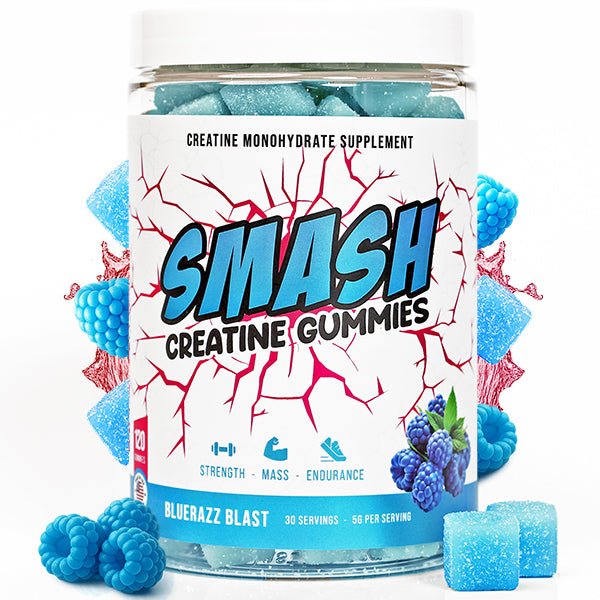
Smash
Elevate your fitness with our delicious Creatine Gummies! Each gummy packs 1.25g of creatine, with a full serving of four gummies delivering 5g. Enjoy the benefits of creatine—muscle growth, strength, and performance—in a tasty, convenient form. Perfect for on-the-go and maximizing your workout gains. Try them today!
Creatine Monohydrate Gummies

Euapeark
High-absorption creatine monohydrate gummies designed specifically for fitness enthusiasts, delivering 5000mg of creatine per serving. Enhanced with L-Taurine, Vitamin B6, B12, and black pepper extract for maximum bioavailability.
Creatine Monohydrate Gummies

Iron Labs Nutrition
Iron Labs Nutrition presents high-strength creatine monohydrate gummies designed for both men and women. Each serving delivers 3600mg of lab-tested creatine monohydrate in delicious strawberry-flavored gummy bears. These vegan-friendly supplements are manufactured in an FDA Registered and GMP certified facility.
Sugar Free Creatine Monohydrate Gummies

Alafia Naturals
A convenient and sugar-free supplementation option delivering 5g of creatine monohydrate per serving, enhanced with L-Carnitine for improved muscle strength and recovery. Manufactured in a state-of-the-art facility in Utah with third-party testing for quality assurance.
Related Articles


Health & Safety Notice
For educational purposes only. Not medical advice. Consult healthcare providers before use. Individual results vary.
The information provided on this website is for educational and informational purposes only. It is not intended to be a substitute for professional medical advice, diagnosis, or treatment. Always seek the advice of your physician or other qualified healthcare provider with any questions you may have regarding a medical condition or before starting any new diet or supplementation regimen.
These statements have not been evaluated by the Food and Drug Administration (FDA). This product is not intended to diagnose, treat, cure, or prevent any disease. Individual results may vary.
Exercise and proper nutrition are necessary to achieve and maintain weight loss and muscle definition. The testimonials featured may have used more than one product or extended the program to achieve their maximum results.
Consult with a healthcare professional before starting any diet, supplementation or exercise program, especially if you have any unique or special medical conditions or needs.
By using this site, you acknowledge that you have read and understand this disclaimer. The owners and operators of this website assume no responsibility for any consequences relating directly or indirectly to any action or inaction you take based on the information found on or material linked to on this website.